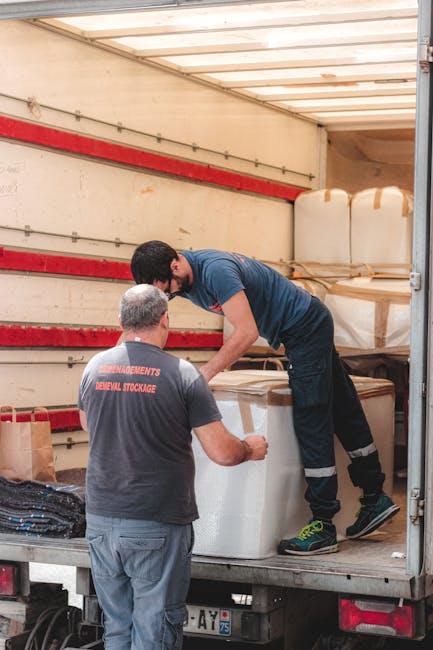
DIY vs professional removals: costs, risks and savings

Moving house looks simple from a distance. A few boxes, a van, maybe a strong friend or two, job done. Then moving day arrives, the sofa won't fit through the hallway, the lift is being repaired, and it starts to rain at exactly the wrong moment. That is usually when people realise the real choice is not just DIY versus professional removals; it is about costs, risks and savings all tangled together.
This guide breaks it down in plain English. You will see where DIY moving can save money, where it quietly costs more than you expected, and when a professional removals service is worth every penny. We will look at packing, transport, damage risk, timing, insurance, and the kind of last-minute stress that makes people stare at a stack of boxes and think, "why did we do this ourselves?"
Why DIY vs professional removals: costs, risks and savings Matters
At first glance, DIY moving looks cheaper because the bill is obvious: hire a van, buy packing materials, rope in a few helpers, and off you go. Professional removals look more expensive because the quote is up front and visible. But that is only part of the story. The real cost of moving includes time, lifting effort, fuel, parking, equipment, missed work, and what happens if something breaks.
That is why the question matters so much. A move is rarely just a transport job. It is a logistics exercise with furniture, fragile items, staircases, bad weather, awkward access, and a calendar that seems to compress to one impossible day. If you underestimate any one of those, the savings can disappear fast. Truth be told, a cheap move can become an expensive one before lunch.
For people moving in busy areas such as London, where parking and access can be awkward, the gap between DIY and professional support can widen even more. In central districts, a small delay can become a bigger headache. If you are also moving across boroughs or juggling a narrow window between tenancies, services like London removals or even a more targeted option such as home moves can reduce the chance of everything piling up at once.
The best decision is not always the cheapest quote. It is the one that balances budget, safety, timing and your own energy. And yes, your back matters too.
How DIY vs professional removals: costs, risks and savings Works
DIY removals usually mean you organise the packing, source a van or truck, recruit helpers, and manage loading, transport and unloading yourself. Depending on the size of the move, you might hire a van for a day, use your own car for small items, or even make multiple trips. The savings can be real, especially for smaller loads. But every stage becomes your responsibility.
Professional removals work differently. A removal company typically assesses the property, volume, access, and special items, then provides a quote for labour, vehicle use, loading, transport, and sometimes packing assistance. Some firms also help with dismantling, reassembly and protective materials. You are paying for experience, equipment and a smoother process, not just a van with a driver.
Here is the bit people miss: the cheapest-looking option is not always the cheapest by the end of the day. If you DIY and need extra van hours, additional fuel, replacement packing materials, parking fines, or another trip because the first one was too small, the maths starts to wobble. On the other hand, if you hire professionals for a very small move, you may be paying for capacity you never really needed.
In practical terms, the cost comparison usually comes down to five questions:
- How much stuff are you moving?
- How far are you going?
- How much lifting is involved?
- How awkward is the access?
- How much risk are you willing to carry yourself?
That last one matters more than people think. A scratched floor, a broken mirror, or a strained shoulder can wipe out a saving very quickly.
Key Benefits and Practical Advantages
DIY removals have one obvious advantage: control. You choose the schedule, the packing style, and the pace. For small, straightforward moves, that flexibility is valuable. You can spread the job over several days and avoid paying for labour you do not need. If you are moving a studio flat, a few boxes, or a lightly furnished room, DIY can make sense.
Professional removals bring a different kind of value. Speed, co-ordination and reduced physical strain. The team knows how to carry awkward items, protect furniture, and manage loading order so things do not end up as a miniature disaster by the time the van door closes. A good crew can also handle access issues more calmly than most of us can on a moving day with three hours of sleep.
Practical advantages of DIY:
- Lower upfront spend for small moves
- More control over packing and timing
- Useful if you already have access to a suitable van
- Can be spread out over several trips
Practical advantages of professional removals:
- Less heavy lifting and less chance of injury
- Faster loading and unloading
- Better handling of bulky or fragile items
- Often less stress on the day itself
- Potentially lower damage risk when handled properly
There is also a mental benefit that people forget. If you hire professionals, you are not also acting as the driver, porter, packer, route planner and damage-control officer. That sounds dramatic, but it is often exactly how moving day feels.
Who This Is For and When It Makes Sense
This topic matters to anyone planning a move, but the right approach changes depending on the size and complexity of the job. Let's face it, moving a couple of boxes from a shared flat is not the same as emptying a three-bedroom house with a dining table that seems to have been built inside the room.
DIY moving tends to suit:
- Small flats or single-room moves
- People with very limited budgets
- Moves with few heavy items
- Short-distance transfers
- Households with reliable helpers and good access
Professional removals tend to suit:
- Family homes and larger properties
- Moves with stairs, long carries or tight parking
- Busy schedules where time really matters
- High-value, fragile or awkward furniture
- Anyone who wants fewer moving-day headaches
If you are relocating a business, the decision shifts again. Office equipment, files, desks and downtime all add pressure. In those cases, a specialist service such as office removals or broader commercial moves may save more than they cost simply by reducing disruption.
A useful rule of thumb: if your move involves things you cannot easily replace, or if you only have one shot at a tight schedule, professional help usually starts to look less like a luxury and more like sensible risk management.
Step-by-Step Guidance
If you are still weighing DIY against professional support, work through the decision in a structured way. Not glamorous, I know. But it helps.
- List everything you need to move. Include furniture, appliances, plants, clothes, and the odd drawer full of cables you forgot existed.
- Estimate volume and weight. A larger sofa, white goods or multiple book boxes can change the picture very quickly.
- Check access at both ends. Note stairs, lifts, parking, loading bays, distance from door to van, and any restrictions.
- Decide what you can safely lift. Be honest. Your enthusiasm is not a lifting technique.
- Compare full DIY costs. Include van hire, fuel, insurance, packing materials, tolls, parking, equipment and food for helpers.
- Compare professional quotes. Ask what is included: labour, dismantling, wrapping, waiting time and insurance arrangements.
- Check timing and flexibility. If your completion date changes, which option gives you breathing room?
- Decide based on risk, not just price. A slightly higher quote may be cheaper if it saves damage, delays or multiple trips.
If you are leaning toward a hybrid approach, that can work well. For example, you might pack yourself but use a man and van or man with van service for the heaviest items. That is often a very sensible middle ground for smaller moves.
And if the move is really tiny, a short-notice removals van or moving van arrangement can be enough. Sometimes the answer is not grand at all. Just practical.
Expert Tips for Better Results
In our experience, the most successful moves are not always the cheapest. They are the most prepared. A few small choices make a big difference.
- Start packing earlier than you think. The last 10 percent of a move usually takes 40 percent of the time. It always does.
- Label boxes by room and priority. Write what is inside and whether it is needed on day one.
- Keep valuables and documents with you. Passports, keys, chargers, medication and spare cash should not disappear into a random box.
- Take photos of cable setups. Future-you will be grateful, even if present-you rolls their eyes.
- Protect floors and corners. Old towels, corner guards and protective blankets can prevent silly damage.
- Measure large items before moving day. That one is boring, yes, but it avoids the unforgettable moment when a wardrobe meets a stairwell and neither wins.
If you hire professionals, ask how they handle fragile items, dismantling, and access challenges. A reputable removal company should be comfortable explaining the process without vague promises. If they are clear and calm, good sign. If they sound rushed or evasive, pause.
If you are moving in a busy part of London, timing matters more than people expect. Morning traffic, parking restrictions and building rules can all change the day. Sometimes leaving half an hour earlier is the difference between a smooth load and a bad start. Small detail, big effect.
Common Mistakes to Avoid
The biggest mistake is assuming that DIY automatically means cheaper. It can, but only when the move is small, the access is easy, and the job stays controlled. Once you add fuel, insurance, parking and extra time, the savings can thin out.
Another common problem is underestimating how tiring the work is. People often think the hard part is the driving. Usually it is the carrying, the bending, the stopping and starting, and the tiny burst of panic when a box marked "kitchen" turns out to contain half the cutlery and the kettle charger somehow. Odd, but there it is.
Watch out for these errors:
- Booking a van that is too small
- Not checking parking or loading restrictions
- Forgetting to protect furniture and floors
- Leaving packing until the night before
- Relying on too few helpers
- Assuming insurance covers every type of damage automatically
- Mixing fragile items loosely with heavy boxes
On the professional side, a mistake is choosing only by price. A cheap quote can be fine, but you need to know what it includes. Ask whether packing materials, dismantling, waiting time, and insurance arrangements are part of the deal. Good questions now save awkward conversations later.
Tools, Resources and Recommendations
You do not need a warehouse of equipment to move well, but a few tools make the process far safer and calmer.
- Strong boxes: Use boxes that suit the item weight. Book boxes for books, larger boxes for light linens.
- Packing tape and markers: Simple, essential, and surprisingly easy to underbuy.
- Furniture blankets or wraps: Useful for preventing scratches and knocks.
- Trolley or sack truck: A lifesaver for white goods and heavier items.
- Straps and ropes: Helpful for securing loads in a van.
- Gloves: A small thing, but they improve grip and reduce scrapes.
If you need extra support beyond standard transport, services such as packing and unpacking services, removal truck hire, or a full set of removal services can reduce the workload dramatically.
For people who prefer to keep costs down but still want professional help, the sweet spot is often a selective service: hire help for the lifting and transport, do the packing yourself, and keep the schedule tight. That approach often gives the best savings without turning the day into a stamina contest.
Law, Compliance, Standards, or Best Practice
Moving is not heavily regulated in the way some industries are, but there are still important best-practice and safety expectations to take seriously. If you are moving yourself, you are responsible for safe lifting, sensible loading, and making sure the vehicle is used lawfully and responsibly. That includes not overloading it and not leaving items loose where they could shift during transport.
If you hire a removals provider, ask about insurance and safety procedures in plain language. Reputable businesses should be able to explain how they protect furniture, what cover they provide, and what exclusions may apply. It is worth reading the small print, boring though that sounds. Especially if you have antiques, glass, artwork or electronics.
For flats, managed buildings and offices, check building rules before moving day. Some places require lift bookings, time slots, or floor protection. In London, access and parking rules can also affect what vehicle size you can use and where it can stop. None of that is glamorous. All of it matters.
Best practice also means being realistic about health and safety. Heavy lifting is a real injury risk. If an item is awkward, too heavy, or shaped like it was designed by a mischievous architect, get help. No box is worth a strained back.
Options, Methods, or Comparison Table
The simplest way to compare DIY and professional removals is to look at the trade-offs side by side. Costs matter, but so do time, effort and risk.
| Factor | DIY removals | Professional removals |
|---|---|---|
| Upfront cost | Usually lower at first glance | Higher, but more inclusive |
| Hidden costs | Fuel, van hire, parking, equipment, lost time | Fewer surprises if the quote is clear |
| Physical effort | High | Lower for the customer |
| Damage risk | Higher if packing or lifting is inexperienced | Often lower when handled properly |
| Time required | Usually longer | Usually faster and more efficient |
| Stress level | Can be high, especially on the day | Often lower and more predictable |
| Best for | Small, simple, short-distance moves | Large, awkward, urgent or valuable moves |
If you need a middle route, services like man with van removal, man and van removals, or a broader removal companies search can help you compare levels of support without jumping straight to a full-service move.
Case Study or Real-World Example
Here is a realistic example. A couple moving from a one-bedroom flat in West London had a modest amount of furniture: a bed, small sofa, desk, six boxes of books, kitchen items, and a couple of plants that were, frankly, already looking stressed. At first, they planned a DIY move because the distance was short and they wanted to save money.
Then they checked the details. The flat was on the third floor, the street had limited parking, and the sofa needed to turn through a narrow stairwell. They also realised they would need van hire, fuel, moving blankets, and at least two friends who were both available and physically willing. That is a rare combination.
They compared that with a professional quote for loading, transport and unloading. The quote was higher on paper, but it included the right vehicle, the lifting, and protection for the furniture. In the end, they chose the professional option for the main move and packed themselves to keep costs down. It was not the cheapest possible move, but it was the least disruptive one.
That is often the real lesson. Savings are good. Predictability can be better.
Practical Checklist
Use this before you decide between DIY and professional removals:
- Have I counted every item that needs moving?
- Is there stairs-only access, narrow hallways or difficult parking?
- Do I have enough help on the day, and is that help reliable?
- Can I safely lift the heaviest items?
- Have I priced van hire, fuel, packing materials and any extras?
- Do I need packing help, dismantling or reassembly?
- Is there enough time if the move takes longer than expected?
- Am I moving anything fragile, high-value or awkwardly shaped?
- Have I checked insurance and liability details?
- Would paying more now reduce stress, damage risk or delays later?
If you can answer most of those confidently, your route will usually become clearer. Not magically clear, but clearer enough to make a sensible decision.
Get a free quote today and see how much you can save.
Conclusion
The choice between DIY and professional removals is rarely about money alone. DIY can be the smarter move for small, simple, short-distance jobs where you can control the load and keep help close at hand. Professional removals often make more sense once the move gets larger, trickier or more time-sensitive.
The best approach is to look beyond the headline price and ask what your time, energy and risk are really worth. Sometimes the saving is real. Sometimes the cheaper option is the one that gives you fewer headaches and fewer bruises. Either way, a calm move is usually a better move.
Choose the option that lets you arrive with your boxes intact, your back unbroken, and a little energy left for the kettle. That is a good day's work.
Frequently Asked Questions
Is DIY moving always cheaper than hiring professionals?
Not always. DIY can cost less for small moves, but once you add van hire, fuel, packing materials, parking, time off work and possible damage, the gap can shrink quickly. For larger or more complicated moves, a professional service may actually be better value overall.
When does a professional removals service make the most sense?
It usually makes the most sense when you have heavy furniture, awkward access, tight timings, fragile items, or a full house to move. If your move has a lot of moving parts, the extra support can reduce stress and lower the chance of expensive mistakes.
What hidden costs should I expect with a DIY move?
Common hidden costs include van hire extensions, extra fuel, moving blankets, boxes, tape, straps, parking charges, tolls, and possibly replacement items if something gets damaged. The biggest hidden cost is often time, especially if you need several trips.
How do I know if my move is too big for DIY?
If you cannot confidently lift the heaviest furniture, if the property has tricky access, or if you would need multiple long trips, DIY may be too much. A good test is to imagine the day getting delayed by two hours. If that would cause a problem, professional help may be safer.
Is a man and van service a good middle option?
Yes, for many smaller moves it is a practical middle ground. It can give you transport and loading support without paying for a full-service removals team. It is often a good fit for flats, student moves, or local relocations with limited belongings.
What should I ask a removals company before booking?
Ask what the quote includes, whether packing materials are provided, how insurance is handled, what happens if the move runs late, and whether there are extra charges for stairs, long carries or dismantling. Clear answers now are worth their weight in gold later.
Do I need insurance for a DIY move?
It is sensible to check whether your contents insurance or vehicle insurance covers belongings in transit. Policies vary, so do not assume cover is automatic. If you are moving valuable items, it is worth checking the details before the day arrives.
How can I save money on a professional move?
You can save money by packing yourself, decluttering before moving, booking early, choosing a quieter moving day if possible, and being ready when the team arrives. A well-organised customer usually gets more value from the service. Simple as that.
What is the biggest risk of moving myself?
The biggest risk is usually injury or damage caused by lifting, carrying or loading items without the right equipment or experience. Stress and time pressure also play a big part. Moving day has a habit of exposing every weak point at once.
Can professionals help with packing as well as transport?
Yes, many firms offer packing and unpacking as an additional service. This can be especially useful if you are short on time or moving fragile possessions. It does add cost, but for some households it is worth every bit of it.
Are professional removals worth it for a short-distance move?
They can be. Short distance does not always mean simple. If parking is awkward, the property has stairs, or you have bulky furniture, the expertise and speed of professionals may still be worth paying for. Distance is only one part of the picture.
What is the best way to decide between DIY and professional removals?
Compare the full cost, not just the headline price. Then weigh that against the risk of damage, physical effort, access problems and the amount of time you can realistically spend. If the move feels like it may spill into chaos, that is usually your sign to step up the support.