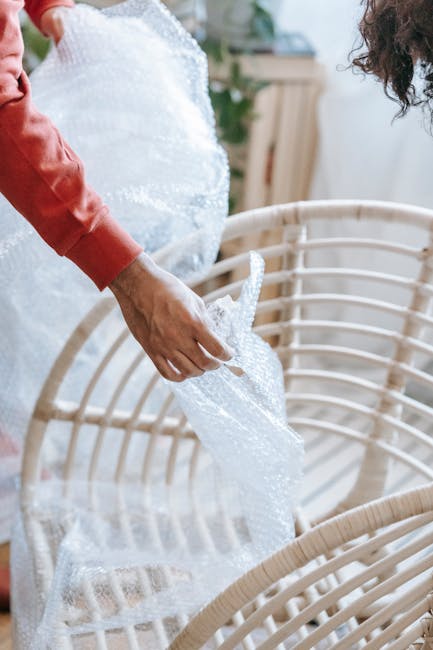
Packing antiques for long-distance UK removals: a practical guide to protecting what matters
When you're moving antiques over a long distance in the UK, the stakes feel different. A dining chair with a loose stretcher, a mirror with age marks, a porcelain vase that has survived decades-these aren't just "items". They're fragile, often sentimental, and sometimes irreplaceable. Packing antiques for long-distance UK removals is really about control: reducing movement, absorbing shock, and making sure every object arrives in the same condition it left.
That sounds straightforward until you're stood in a room full of bubble wrap, acid-free paper, and half-packed boxes wondering whether you should DIY it or bring in help. Truth be told, both can work. The key is matching the packing method to the object, the route, and the level of risk. In this guide, we'll break down how antique packing works, what materials to use, common mistakes to avoid, and when it makes sense to use professional packing and unpacking services or a trusted removal company.
If you're planning a house move, you may also want to look at broader support like home moves or house removals, especially if the antiques are only one part of a larger relocation. Either way, the principles here will help you protect delicate furniture, decorative pieces, artwork, and family heirlooms properly.
Table of Contents
- Why packing antiques for long-distance UK removals matters
- How the packing process works
- Key benefits and practical advantages
- Who this is for and when it makes sense
- Step-by-step guidance
- Expert tips for better results
- Common mistakes to avoid
- Tools, resources and recommendations
- Law, compliance, standards, or best practice
- Options, methods, or comparison table
- Case study or real-world example
- Practical checklist
- Conclusion
- Frequently asked questions
Why Packing antiques for long-distance UK removals Matters
Antiques are vulnerable in ways ordinary household items aren't. They can be structurally weak, unevenly balanced, or sensitive to changes in temperature and vibration. A short local move may already be enough to loosen joints or chip a finish. Add a long-distance journey-motorway vibrations, loading and unloading, cornering, weather changes, multiple handling points-and the risk rises quickly.
What's easy to miss is that damage often happens in small, ordinary moments: a box slides a few centimetres in the van; a chair leg catches the edge of another item; a picture frame gets flexed because the box is a little too tight. None of that looks dramatic, but it's exactly how many antique losses occur. Not a smash, more a slow series of tiny stresses. That's why the packing stage matters so much.
In a long-distance move, your packing also affects everything after collection. If you've wrapped and labelled well, the mover can stack more intelligently, keep fragile items upright, and avoid unnecessary handling. That's especially useful if your move involves a busy route through London before heading further afield, or a collection from somewhere with tight access such as Chelsea, Kensington, or Greenwich.
Expert summary: For antiques, good packing is not "extra care" - it is part of the protection system. If the packing is poor, even a careful driver cannot fully compensate.
How Packing antiques for long-distance UK removals Works
The process is usually a mix of inspection, wrapping, cushioning, boxing, stabilising, and labelling. The best packing method depends on the item's shape, fragility, finish, and value. A heavy oak dresser needs a different approach from a Delft plate or a gilt-framed mirror. Makes sense, really.
At a practical level, the goal is to create layers of protection:
- Surface protection so finishes, varnish, and gilding are not scratched.
- Impact protection so knocks and vibrations are absorbed.
- Movement control so the item cannot shift inside the box or wrapping.
- Stacking protection so the item can travel safely with other goods.
The item is usually cleaned first, though gently. Dust can act like sandpaper under wrapping, especially on polished wood and lacquered surfaces. Then it is wrapped with a suitable primary layer-often acid-free paper or soft packing paper-before a cushioning layer such as bubble wrap or foam. After that, it is boxed or crated in a container that allows minimal movement.
For larger antiques, such as sideboards, cabinets, long-case clocks, or marble-topped tables, dismantling may be safer than moving the object whole. In those cases, hardware should be bagged, labelled, and taped to the relevant section or stored separately in a clearly marked parts box. If you're using a broader moving service such as man and van removals or removals, it helps to confirm in advance whether dismantling and reassembly are included or need to be arranged separately.
Key Benefits and Practical Advantages
Good antique packing does more than prevent breakage. It improves the whole move. It saves time on moving day, lowers stress, and reduces the chance of awkward insurance conversations later on. A box that's prepared properly can be handled quickly and safely, without a mini crisis at the front door. That part matters more than people expect.
- Less risk of chips, cracks, and rubbing damage during transport.
- Better handling efficiency because movers can see what is fragile and how to stack it.
- Reduced claim risk when items are documented and packed sensibly.
- Improved organisation for unpacking at the new property.
- More peace of mind when items have emotional or financial value.
There's also a practical benefit for people moving from areas with tricky access, such as basement flats in Bayswater, townhouses in Putney, or period homes in Richmond upon Thames. The better packed the antiques are, the less time crews need to spend fussing over them at narrow doorways or on stairs.
And yes, it can even protect the rest of the move. One well-packed antique cabinet is far less likely to cause trouble for nearby boxes than a loose one rolling around under a blanket. A small thing, but useful.
Who This Is For and When It Makes Sense
This advice is for anyone moving antiques, vintage furniture, decorative objects, inherited pieces, or collectors' items over a meaningful distance. That includes homeowners, landlords clearing furnished properties, executors handling estates, and interior designers moving pieces between addresses. It also applies to businesses moving curated stock or display items, which is where services like commercial moves and office relocation services can be relevant.
It makes sense to use more structured packing support if:
- the item is unusually fragile, old, or repaired;
- the route is long enough to involve several hours on the road;
- you have multiple items with mixed fragility levels;
- you're moving in winter, when damp and temperature changes are more likely;
- you don't have the right materials, time, or space to pack properly.
If you're only moving a single side table or one framed print, DIY may be fine. But for a family set of antique chairs, a mirror, and a glazed cabinet, it's often wise to get a more experienced pair of hands involved. In that case, a local search for removals near me can help you compare support that actually suits the job rather than just the postcode.
Step-by-Step Guidance
If you want the cleanest possible result, work through the packing process in stages. No need to rush. In fact, rushing is where the problems start.
1) Inspect and document each item
Before wrapping anything, check for existing chips, loose joints, scratches, wobble, hairline cracks, missing handles, or old repairs. Take photographs from several angles in good daylight. That doesn't have to be fancy; your phone is fine. The point is to have a clear before picture.
2) Clean gently, but don't overdo it
Use a soft, dry cloth to remove dust. For delicate finishes, be cautious with cleaning products. If you're unsure whether a surface is waxed, lacquered, painted, or veneered, it may be safer to leave it slightly dusty than to risk an overzealous clean. Old polish and moisture do not always get along.
3) Choose the right wrapping layer
For fine surfaces, start with acid-free tissue or plain packing paper. This is especially helpful for silver, ceramics, books, and textiles. Then add cushioning. Bubble wrap can work well for many items, but don't let the bubbles sit directly against sensitive finishes for too long if the item is likely to be stored; always use a paper layer first where needed.
4) Protect vulnerable parts separately
Handles, legs, finials, glass panes, and carved details should be individually padded. A table leg may need foam, cardboard, and tape around its own section, while a mirror should have corner protection and a strong outer wrap. If something sticks out, it is asking to be knocked. Pretty simple, really.
5) Box or crate with enough space for cushioning
The item should fit snugly, but not tightly. You want space for cushioning materials to absorb movement. For heavy or high-value antiques, a custom crate is often the safer choice. For smaller items, a strong double-walled box with internal padding can be enough.
6) Label clearly and honestly
Mark all sides of the box with "FRAGILE", "THIS SIDE UP", and a brief contents note. Use consistent labels rather than decorative scrawl. You want the mover to understand the box in a second or two. If you have several delicate items, list them in a moving inventory.
7) Load with care and keep stability in mind
When the boxes reach the vehicle, they should be positioned so they cannot slide. Heavier items usually go lower, while fragile boxes should not be buried under soft-but-heavy household loads. This is where a sensible loading plan matters, whether you've booked moving truck support or a smaller removals van.
Expert Tips for Better Results
Here's the bit that tends to save the day. Small decisions, made early, reduce the chance of damage later on.
- Use more padding than you think you need around corners and carved edges.
- Pack one item per box where possible if the object is fragile or unusual.
- Keep glass separate from wood so they don't rub against each other.
- Use dividers for plates, ceramics, and small frames.
- Label repair-prone antiques as "top load only" if there is any risk of compression.
- Wrap and pack in a dry room, not a damp hallway or garage.
One thing I'd add from real moving experience: don't underestimate awkward shapes. A clock with a pendulum, a convex mirror, a music box, a cased set of drawers-these often take more time than bigger items because they have hidden weak points. You open one, there's a delicate knob or a wobbly rear panel, and suddenly you're rethinking the whole approach. Better to pause there than force it.
If your move includes both antiques and regular household goods, you may prefer a hybrid setup: pack the everyday items yourself and leave the delicate pieces to a team offering removal services. That gives you control where it matters and convenience where it helps.
Common Mistakes to Avoid
Antique damage often comes from a few repeatable mistakes. Once you know them, they're fairly easy to dodge.
- Using newspaper directly on delicate surfaces. Ink transfer is still a nuisance, especially on light finishes or porous materials.
- Over-tight wrapping. If a package is compressed too much, pressure points form and fragile joints suffer.
- Leaving movement inside the box. An item that slides even slightly can wear through its own protection.
- Packing mixed materials together without separation. Glass, metal, wood, and ceramics each behave differently in transit.
- Ignoring existing damage. If a chair was already loose, long-distance travel will not magically improve it.
- Failing to label orientation. Some items should never be laid flat or turned on their side.
Another common one: assuming a blanket is enough. It can help with scratches, yes, but it does little for internal shock. A blanket is not the same as a properly built protective layer. Nice thought, not enough on its own.
Tools, Resources and Recommendations
You do not need a warehouse full of kit to do this well. A sensible packing set-up is usually enough, provided you use it properly.
- Acid-free tissue paper for delicate surfaces and collectibles.
- Plain packing paper for general wrapping and filling gaps.
- Bubble wrap for cushioning, used with care.
- Foam sheets or corner protectors for frames, mirrors, and furniture edges.
- Double-walled boxes for stronger outer protection.
- Furniture blankets for large items once primary wrapping is in place.
- Strong tape and labels for sealing and identifying boxes clearly.
- Furniture straps and loading equipment where appropriate.
If you're trying to reduce waste, ask whether reusable packing materials are available or whether the company follows sensible disposal and reuse practices. The site's recycling and sustainability information is worth a look if that matters to you. It often does, to be fair.
For bookings and next steps, you might also want to review pricing and quotes so you know what is included, and read insurance and safety before handing over anything valuable. If you'd rather speak to someone directly, contact us is the natural next stop.
Law, Compliance, Standards, or Best Practice
There is usually no special law that tells you exactly how to wrap an antique chair or a porcelain vase for a house move. But there are still important best-practice and duty-of-care issues to think about.
First, if you are hiring a removals provider, check the terms and conditions carefully, including what is covered, what happens if items are packed by the customer, and how claims are handled. A sensible provider should be clear about responsibilities, and that clarity helps everyone. You can review the company's terms and conditions and payment and security information before confirming a booking.
Second, if an item is valuable, insured, or part of an estate, documentation matters. Photos, inventories, and condition notes are not just admin; they help support a claim or dispute if something goes wrong. If the move is part of a larger relocation, it's wise to understand the mover's risk-management approach and whether the provider has a clear health and safety policy.
Third, if any antiques are especially rare, antique-restoration-grade, or museum-like in value, basic moving advice may not be enough. In those cases, a specialist conservator or fine-art handler could be the better route. Not every item needs that level, of course, but it's worth being honest with yourself about the item's importance.
Finally, if you're using a mover in a city like London, access planning can be just as important as packing. A long walk from the building to the vehicle, a tight staircase, or parking restrictions can increase handling time. In areas such as London, a calm, organised load plan saves a lot of stress.
Options, Methods, or Comparison Table
There are a few ways to pack antiques, and the right choice depends on budget, fragility, and how far the items are travelling. Here's a simple comparison.
| Method | Best for | Pros | Trade-offs |
|---|---|---|---|
| DIY wrapping and boxing | Small, moderately fragile antiques | Lower cost, more control, flexible timing | Higher risk if you lack experience or the right materials |
| Professional packing service | High-value, fragile, or many-item moves | Experienced handling, faster process, better consistency | Additional cost, must book in advance |
| Custom crate or specialist packing | Very delicate, unusually shaped, or highly valuable pieces | Best protection, tailored fit, excellent stability | Most expensive, may require lead time |
| Hybrid approach | Mixed house contents with a few fragile pieces | Good balance of cost and safety | Needs good coordination and clear labelling |
For many people, the hybrid approach is the sweet spot. Pack the easy stuff yourself, and get support for the antiques that actually make you nervous. That way, you're not paying for help you don't need, but you're not gambling with family pieces either.
Case Study or Real-World Example
Here's a realistic scenario. A couple moving from a flat in Maida Vale to a house outside London had three pieces they were worried about: a Victorian mirror, a small mahogany writing desk, and a set of six ceramic plates inherited from a grandparent. Nothing museum-grade, but sentimental and hard to replace.
They started by photographing each item and checking for existing wear. The mirror was wrapped with paper, corner guards, and a padded outer layer. The desk was lightly dismantled; the handles were bagged and labelled, and the drawer interiors were filled with soft paper to stop rattling. The plates were wrapped individually, then placed upright in a divided box with filler between each section.
On moving day, the boxes were loaded separately and kept upright near the van wall. Nothing dramatic happened-no heroic rescue scene, no last-minute panic. Which, honestly, is the best kind of moving day. Everything arrived safely, and the unpacking was almost boring. That's a success in removals terms.
The key lesson? The move went well because the packing decisions were made before the van turned up. Not after. Not while everyone was already in a bit of a rush. Before.
Practical Checklist
Use this as a final check before the antiques leave the property.
- Photograph each item from multiple angles.
- Note any existing damage, repairs, or loose parts.
- Clean items gently and let them dry fully if needed.
- Wrap surfaces with suitable protective paper or tissue.
- Add cushioning around corners, legs, handles, and glass.
- Use strong boxes or crates sized to reduce movement.
- Keep heavy and fragile items separated.
- Label boxes clearly with contents and orientation.
- Prepare an inventory list for valuable pieces.
- Confirm insurance and handling arrangements with the mover.
- Plan the loading order so antiques are not buried under weight.
- Set aside a safe unpacking space at the destination.
Small detail, big difference. That's really the theme here.
Conclusion
Packing antiques for long-distance UK removals is not about wrapping everything until it disappears under layers of plastic. It's about understanding each item, reducing movement, and protecting the weak points that matter. Once you think in terms of layers, stability, and handling, the whole process becomes much less intimidating.
For some moves, a careful DIY approach is enough. For others, especially where there are many fragile pieces or items with real value, professional support is worth every bit of it. What matters most is not doing the flashy thing. It's doing the sensible thing, quietly and consistently, so the antiques make it through the journey intact.
If you're planning a move soon, take a moment to decide which pieces need specialist care, which can be packed normally, and where support will genuinely reduce risk. A calm plan now saves a lot of scrambling later. And that feeling when you unwrap something months or years later and it's exactly as you left it? Very satisfying, to be fair.
Get a free quote today and see how much you can save.
Frequently Asked Questions
What is the safest way to pack antiques for a long-distance move?
The safest approach is usually a layered one: clean gently, wrap the surface with paper or tissue, add cushioning, place the item in a strong box or crate, and stop it moving inside the container. For very fragile or high-value pieces, custom crating is often the better choice.
Can I use bubble wrap directly on antique wood?
It is better not to. Use a soft paper layer first, especially on polished or sensitive finishes. Bubble wrap can provide good cushioning, but direct contact may be risky for some surfaces over time.
Should antique furniture be dismantled before moving?
Often, yes, if dismantling reduces stress on joints or makes the item easier to handle. Remove loose parts, bag the hardware, and label everything carefully. If you're unsure, ask for advice before taking anything apart.
How do I pack antique plates or ceramics?
Wrap each piece individually, add padding between them, and use dividers where possible. Plates are usually safer when packed upright rather than flat, because it reduces pressure on the centre of each item.
Is it worth paying for professional packing of antiques?
It usually is if the items are fragile, valuable, awkwardly shaped, or numerous. Professional packing can save time and reduce risk, especially on longer routes or when access is difficult.
What if my antique is already damaged?
Document the condition before packing and use extra care around the weak area. Existing damage does not mean the item is unsafe to move, but it does mean you should avoid adding new stress. A photo record is especially useful here.
How do I protect antiques in storage after the move?
Keep them clean, dry, and wrapped in materials that won't damage the finish. Avoid damp spaces, extreme temperatures, and stacking heavy items on top. If storage is involved, check whether the packaging is suitable for a longer period.
What should I ask a removals company before trusting them with antiques?
Ask how they handle fragile items, whether they offer packing support, what insurance arrangements apply, and whether they have clear terms for damage or claims. A good provider will answer plainly and without fuss.
Can antiques go in a standard removals van?
Yes, provided they are packed securely and loaded properly. The key is restraint and stability. A standard moving van or removal van can be fine if the load is organised and the antiques are protected from shifting.
How much cushioning is enough for fragile antiques?
Enough to prevent any internal movement and to absorb knocks without compressing the item. There is no universal number, because the answer depends on weight, shape, and fragility. A snug fit with soft support around the whole item is the right idea.
Do I need special insurance for antique removals?
Not always, but it is sensible to check what cover is already included and whether it suits the value of the items. For higher-value antiques, confirm the details in writing rather than guessing. That saves headaches later.
How early should I start packing antiques before moving day?
As early as possible. Antiques take longer to assess and pack properly than standard household goods, so starting a few days ahead is wise. If you have several pieces, a week or more is even better. Rushing rarely ends well.
What if I'm moving from London to another part of the UK?
Long-distance moves out of London can involve busy streets, narrow access, and tight loading windows before the journey even begins. Good packing matters even more in that situation. If you need local support first, you can explore service areas such as London, Westminster, or Kingston upon Thames.